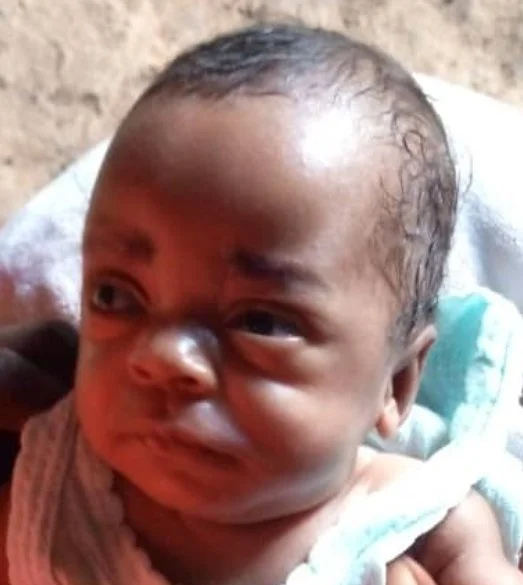
Survival of a 700 g Baby at Nundu Deaconess Hospital
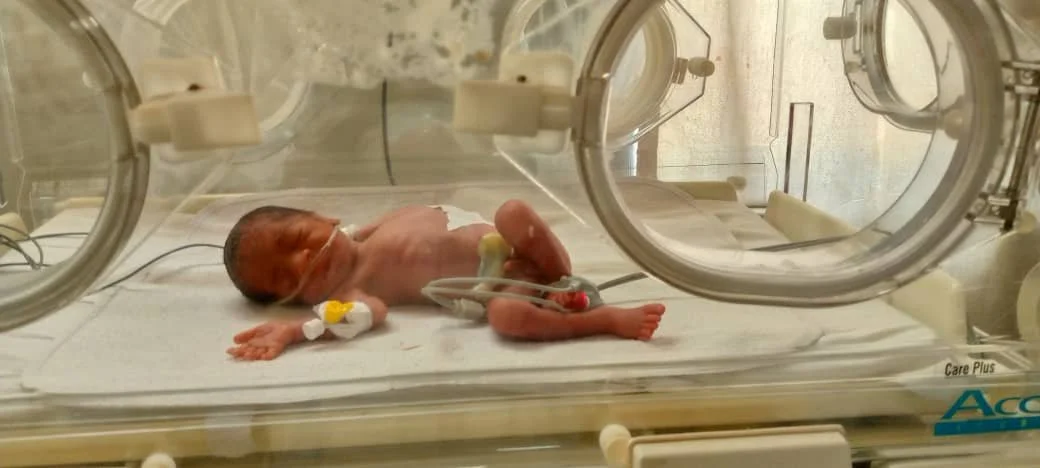
In rural eastern Democratic Republic of the Congo (DRC), survival for preterm and low-birth-weight infants remains a profound challenge. Access to advanced neonatal care is limited, and health outcomes are often determined more by geography than by medical need. Against this backdrop, Jali Afya’s interventions - implemented through the Master Trainer Nurse Programme at Nundu Deaconess Hospital (NDH) and supported by the Gould Family Foundation (GFF) and KBFUS - are transforming what is possible for the most vulnerable newborns.
In September 2023, a 23-year-old primigravida from Kabondozi delivered premature twins at 27 weeks’ gestation - one weighing 900 g and the other just 700 g. Midwives at the local health centre, recently trained by Master Trainer Nurses, provided essential newborn care and promptly organised a referral to NDH’s neonatal intensive care unit (NICU). Despite the loss of the 900 g infant, the 700 g baby received comprehensive care, including incubator support, nasogastric feeding, antibiotics, and Kangaroo Mother Care.
Over the course of 56 days, the infant steadily gained weight, reaching 1.8 kg at discharge and later 2.4 kg at follow-up, demonstrating healthy and sustained progress.
This case illustrates how simple, evidence-based interventions - combined with mentorship, simulation-based training, and dedicated provider support - can dramatically improve survival outcomes for extremely low-birth-weight infants in fragile health systems. Beyond the clinical success, the solidarity and encouragement shown by NDH staff empowered a young mother who had been abandoned by her family, underscoring the programme’s broader social impact.
The survival of this 700 g infant is not only a medical achievement but also a powerful symbol of hope for communities long underserved by health services. It highlights the transformative role of Jali Afya’s partnership, together with GFF’s investment in maternal and newborn care, in eastern DRC.