

About
Jali Afya is a Christ-centered, values-driven, non-governmental, and non-political initiative committed to advancing the holistic well-being of families and communities.
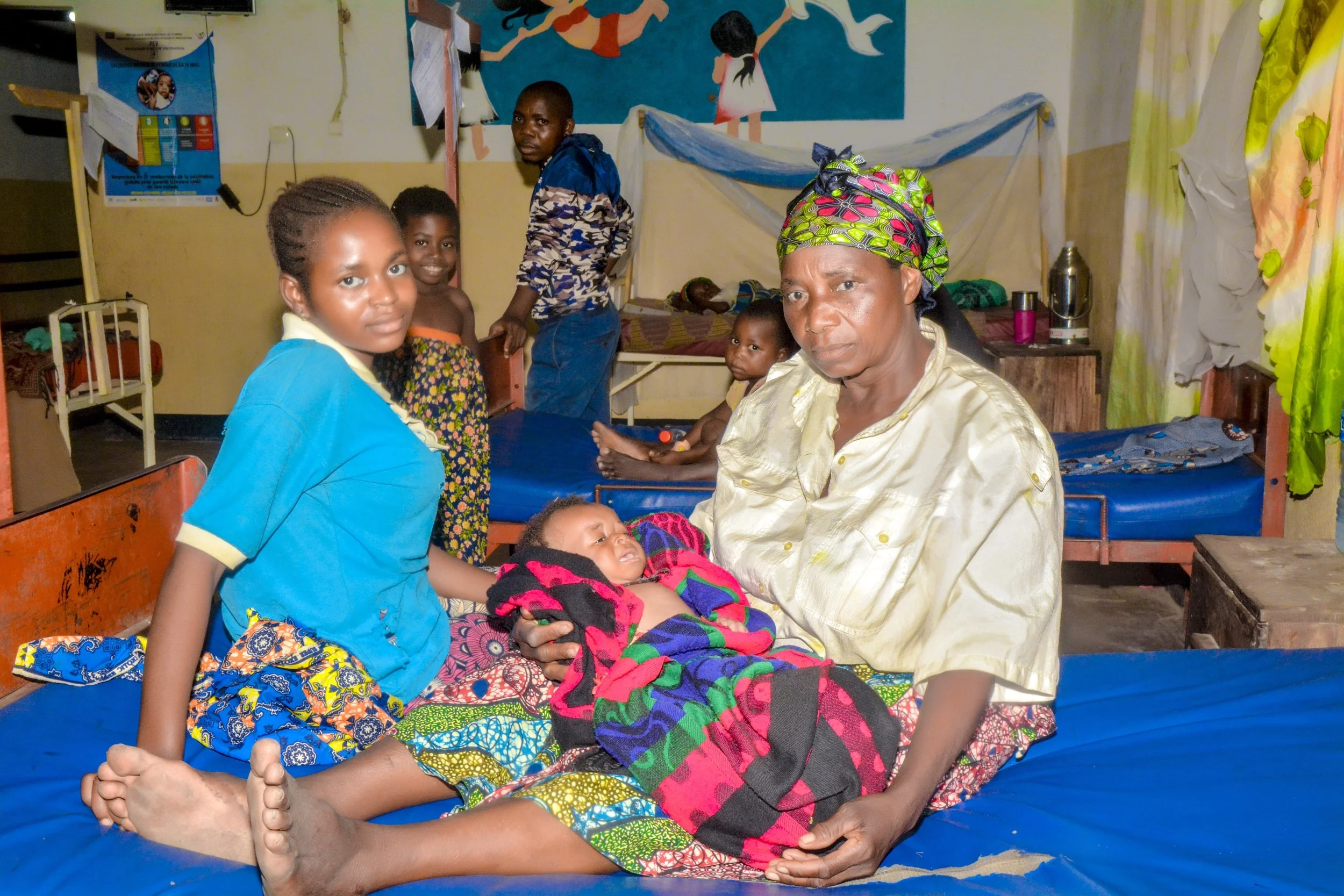
Founded by local health workers and community members in South Kivu, Democratic Republic of Congo, it recognizes that true health begins upstream in the systems, environments and conditions shaping daily life. In a region long affected by conflict, poverty, and preventable deaths, Jali Afya offers an integrated model combining trauma-sensitive health services with education, nutrition, and economic empowerment. This approach helps communities break the cycle of poverty and build resilience.
Today, Jali Afya reaches over 300,000 people - including 30,000 refugees and internally displaced persons - across rural South Kivu, supporting recovery, health, and dignity.
Our Vision
A world where everyone has access to holistic healthcare and the opportunity to live a healthy, empowered life with dignity and hope.
Our Mission
To empower underserved communities to reclaim agency and thrive through equitable and holistic healthcare that fosters healing, resilience and well-being.
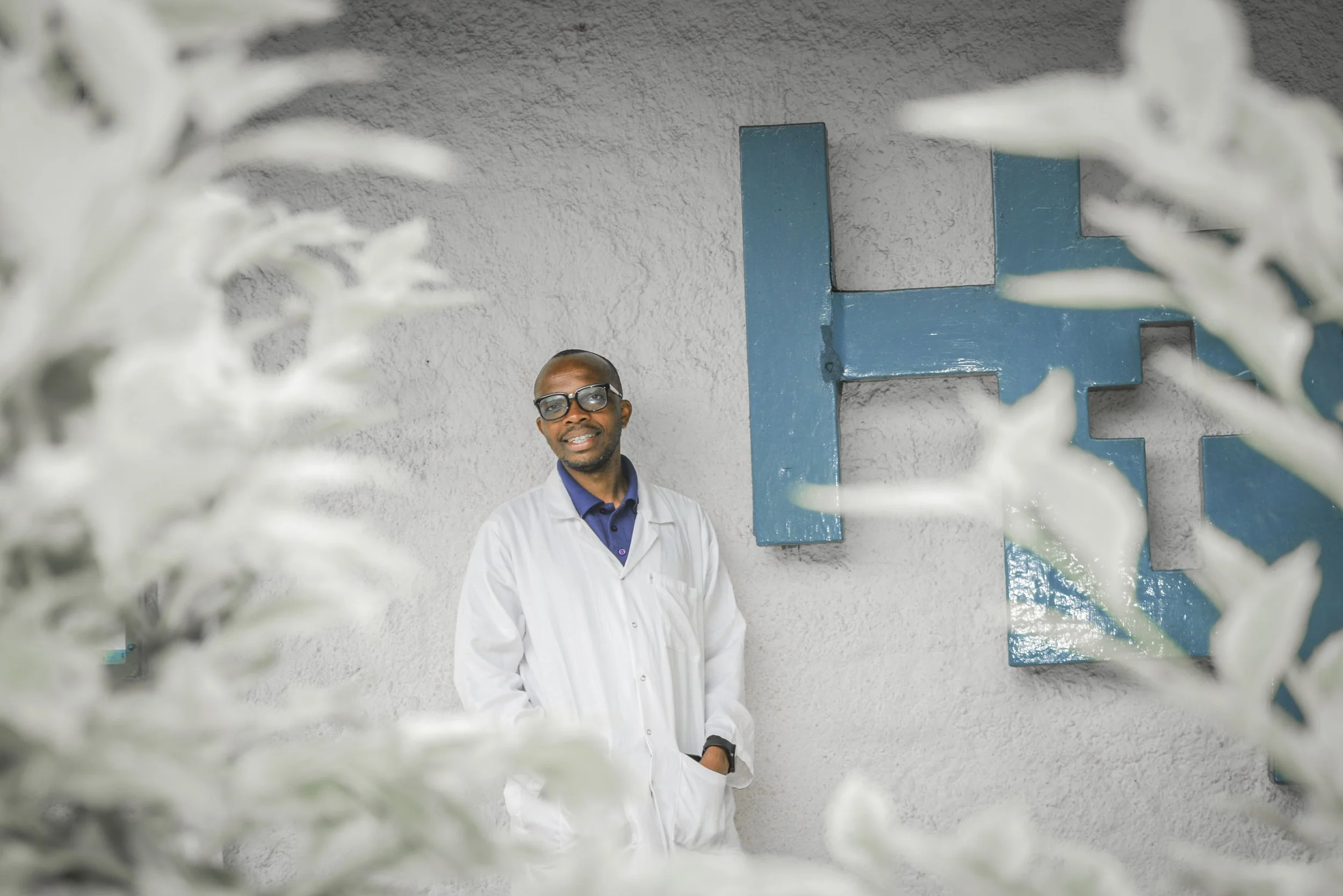
Our work is led by Dr. Marx Lwabanya, a native of Nundu and a globally recognized physician who returned to serve his community after years of displacement and training.
Alongside a team of committed doctors, nurses, and community health workers, Dr. Marx is redefining what rural healthcare can achieve.
Dr. Marx Lwabanya
Born in the Democratic Republic of the Congo, Dr. Marx Lwabanya grew up with hopes of a better future - hopes that were severely tested when war broke out in 1996. At just 13 years old, he and his parents and siblings were forced to flee to a refugee camp in Tanzania. There, his father worked as a community health worker. One afternoon, Marx overheard his father telling his mother how heartbreaking it was to watch women and infants die simply because there were not enough trained medical staff. At 15, seeing the look of powerlessness in his father’s eyes, Marx made a quiet promise to himself: he would become a doctor and change things.
But refugee camps rarely make room for big dreams. With little opportunity to study, Marx took a risk and returned to Congo against all odds. He studied medicine in Bukavu and later joined the Hope Africa University Clinic in Burundi. There, he noticed something striking - high birth rates paired with almost no neonatal care. So he got to work.
While pursuing an Executive Master’s degree in Healthcare Leadership at Brown University, Marx created an online neonatal training programme for nurses, equipped the neonatal intensive care unit with essential tools, and established a peer-mentoring system for at-risk mothers. This work earned him Brown University’s Master’s Award for Professional Excellence in 2017.
Dr. Marx later visited Nundu Hospital, the place of his birth, and was deeply moved by what he witnessed: a premature infant left unattended because nurses believed the baby was too small to survive. The experience left him with a heavy heart and a profound conviction that such circumstances must change. Reflecting on his own survival, he realized that had he been born prematurely, he too might not have lived.
In 2018, when invited to serve at Nundu Hospital, Dr. Lwabanya embraced the opportunity to act. He replicated his neonatal programme there, introducing training, equipment, and systems of care. Today, the programme is successfully saving infants weighing less than one kilogram - an achievement once thought impossible.
When he returned home, Marx realised that Congolese women continued to face the same challenges: poverty, delayed health decisions, poor nutrition, and limited education. In response, he co-founded Jali Afya, a collaborative network that tackles health challenges at their roots by empowering women economically and socially to take charge of their families’ wellbeing.
Dr. Lwabanya is a Senior Atlantic Fellow for Health Equity, a programme offered by George Washington University that develops leaders with the knowledge, skills, and courage to build more equitable health systems, organisations, and communities. He serves on the Senior Fellow Advisory Board (2025). He was also named an Obama Africa Leader for the 2025–2026 cohort.
Dr. Marx holds a Master of Arts in Healthcare Leadership from Brown University, Rhode Island, USA, and a Bachelor of Medicine from the University of Bukavu, Democratic Republic of the Congo.
100+
CHWs delivering essential care
650+
household visitations per month
15,000+
monthly patient visits
450+
nurses trained and graduated
Through our comprehensive and integrated approach, Jali Afya has made significant strides in improving health outcomes and building resilience in the region.
Key outcomes include:
Reduction in maternal and neonatal mortality through better access to skilled birth attendants and emergency care.
Improved nutrition and child health outcomes, with thousands of children receiving life-saving nutrition and community-based health education.
Increased access to mental health care, especially for the survivors of sexual violence and trauma ensuring healing and dignity at the community level.
Expanded healthcare access in remote underserved communities through a growing network of CHWs who serve as trusted, local first responders.
Capacity-building efforts leading to the training of hundreds of nurses and midwives annually, contributing to the region’s growing healthcare workforce.
Our Values
Compassionate Care
Excellence
Resilience
Community-Centered Action
Equity
Our Strategic Pillars
Comprehensive, Holistic Care
We address multiple aspects of health - physical, mental, and social - recognizing that healthcare goes beyond just treating illness.
The focus is on: Prevention and education, Treatment and healing, Mental health and trauma care.
Community Empowerment
Empowering individuals and communities to take charge of their health, livelihoods, and environment.
Rooted in the One Health approach, our work integrates human health, economic opportunity, and ecological sustainability to build resilient and adaptable communities.
Healthcare System Strengthening
Building a sustainable, effective, and accessible healthcare system at all levels (from referral to community-based care).
Together, these efforts ensure that the entire healthcare ecosystem (from prevention to treatment, and from education to economic support) is more effective, sustainable, and equitable.
Sustainability & Equity
This sustainable, equity-driven approach creates lasting change, breaking the cycle of poverty and poor health, and empowering communities to thrive.
We work together with local partners, health providers, donors, and global allies to strengthen systems and expand access to inclusive, resilient care for all.
Special thanks to our generous funders!

