
Solidarity for People Living with HIV in Fragile Contexts
Every year on December 1, the world pauses to mark World AIDS Day - a day of remembrance, solidarity, and renewed commitment. This year’s theme, “Overcoming Disruption, Transforming the AIDS Response,” calls for innovation and equity, especially for vulnerable populations. Governments, NGOs, and communities around the globe use this moment to recommit to ending the epidemic and ensuring that no one is left behind in access to testing, treatment, and care. For Jali Afya, it is also a time to reflect on the realities faced by people living with HIV in fragile contexts such as eastern Congo.
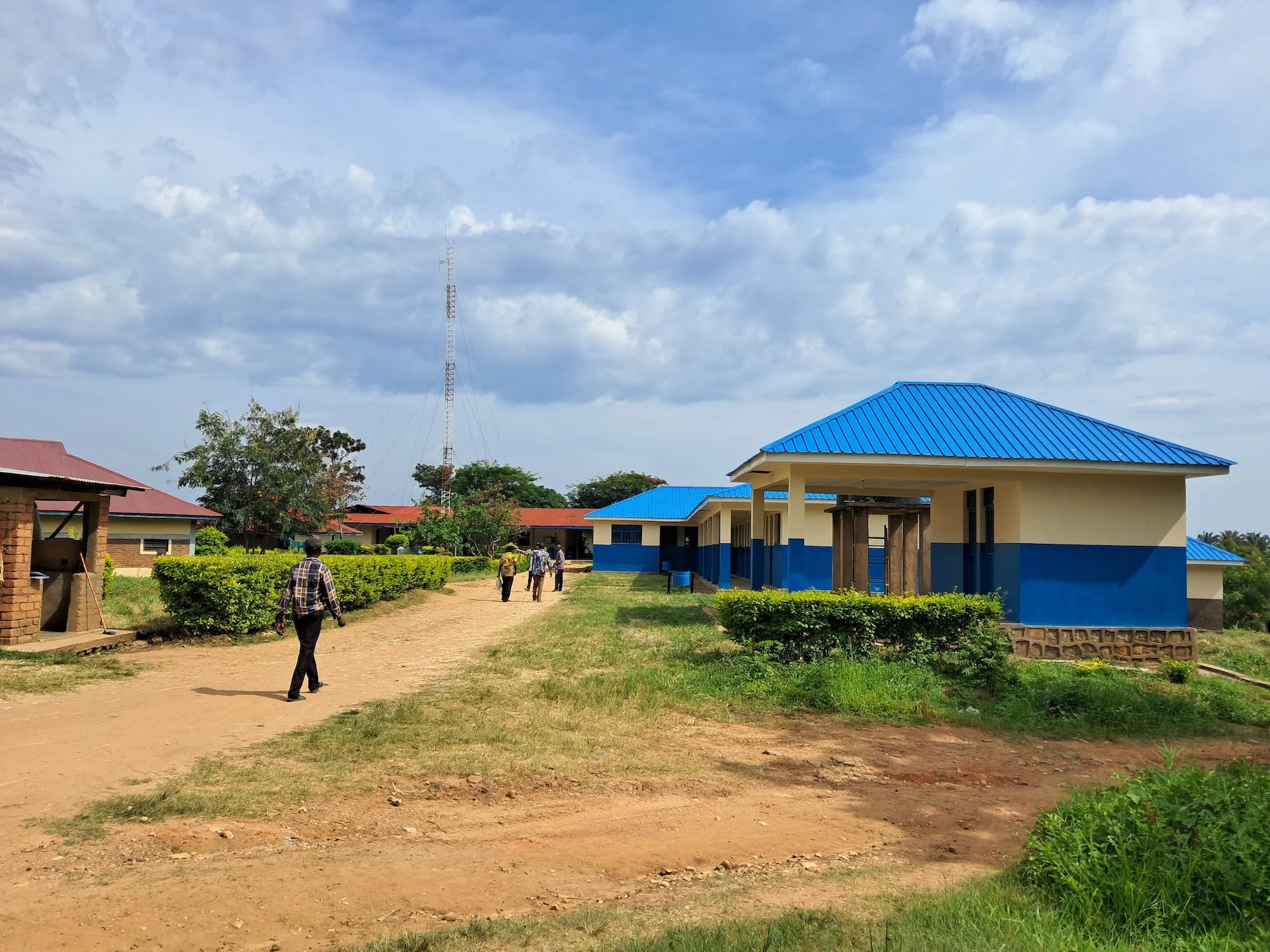
In the Nundu health zone of South Kivu, the challenges are stark. Recent cuts in USAID funding have severely disrupted HIV treatment services, leaving rural clinics struggling to secure consistent supplies of antiretroviral and tuberculosis medications. Stockouts and interruptions in care have become increasingly common, while ongoing political unrest further destabilizes fragile supply chains, delaying deliveries and deepening the crisis. For patients, this uncertainty means not knowing whether the medicine they depend on for survival will be available tomorrow. The burden falls heaviest on the most marginalized, who already face significant barriers to healthcare.
Dr. Demoule, Medical Director at Nundu Hospital, described the difficult ethical reality faced by his team:
“When stocks run out, patients are placed on a waiting list and served only when limited medications become available, often prioritized by the date of their diagnosis. It is an agonizing decision, as no physician wants to deny care, yet scarcity forces us to make choices that weigh heavily on our conscience. Watching patients suffer while knowing the solution lies beyond our immediate reach is one of the hardest parts of this work.”
His words capture the painful choices health workers must make - balancing compassion with scarcity while witnessing preventable suffering.
On this World AIDS Day, the resilience of people in Nundu reminds us that health is a human right, not a privilege. Their courage calls for action. We urge donors, partners, and advocates to stand with these communities by supporting resilient supply chains, funding sustainable programs, and empowering frontline health workers. With collective commitment, disruption can be transformed into hope - ensuring that every patient has equitable access to life-saving treatment. Together, we can make health equity a reality for those who need it most.